
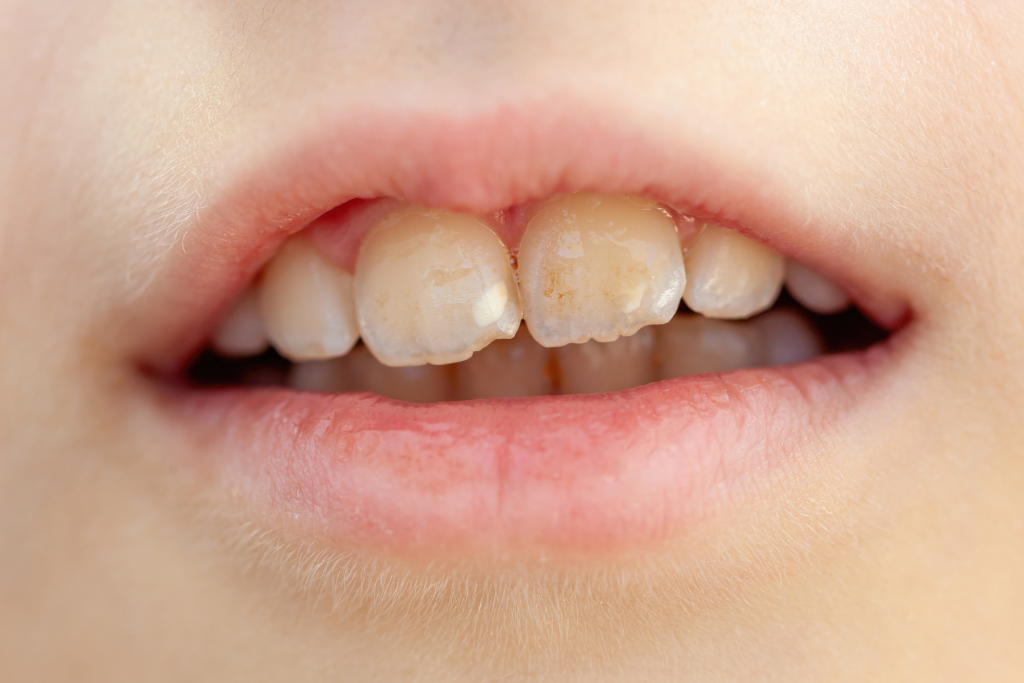
When your teeth don’t align the way they should, it’s more than just a cosmetic concern it can affect how you chew, speak, and even how confident you feel in everyday life. Two of the most common bite issues people face are overbites and underbites. While they may sound similar, they’re quite different in how they impact your smile and oral health.
If you’ve ever wondered why your upper teeth sit too far forward or why your lower jaw seems to jut out you’re not alone. Many patients visiting an orthodontist in Houston are surprised to learn how common these conditions are and how effectively they can be treated today.
An experienced orthodontist can evaluate your bite and recommend personalized solutions, helping restore proper alignment, improve function, and enhance your overall smile with modern orthodontic care.
Let’s break it down in a way that’s easy to understand and actually helpful.
What Is an Overbite?
An overbite happens when your upper front teeth overlap your lower front teeth more than they should. A slight overlap is normal, but too much can lead to problems.
Common Causes of Overbite
- Genetics (jaw size or shape)
- Thumb sucking during childhood
- Prolonged pacifier use
- Teeth grinding (bruxism)
- Missing or overcrowded teeth
Signs You Might Have an Overbite
- Upper teeth covering most of your lower teeth
- Jaw pain or discomfort
- Difficulty biting into foods like burgers or sandwiches
- Worn-down lower teeth
- Speech issues in some cases
What Is an Underbite?
An underbite is the opposite of your lower teeth sitting in front of your upper teeth. This can make the jaw look more prominent and may affect facial balance.
Common Causes of Underbite
- Hereditary jaw structure
- Childhood habits affecting jaw development
- Injury or trauma to the jaw
- Tumors (rare but possible)
Signs You Might Have an Underbite
- Lower jaw protrudes forward
- Trouble chewing properly
- Speech challenges (like lisping)
- Facial imbalance
- Chronic jaw strain
Overbite vs Underbite: Key Differences
| Feature | Overbite | Underbite |
| Tooth Position | Upper teeth overlap lower teeth | Lower teeth extend past upper |
| Jaw Appearance | Receding chin appearance | Prominent lower jaw |
| Common Issues | Tooth wear, jaw pain | Chewing difficulty, speech issues |
| Treatment Focus | Align upper/lower teeth | Adjust jaw alignment |
Why You Shouldn’t Ignore Bite Problems
Many people think bite issues are purely cosmetic but they can lead to:
- Chronic jaw pain (TMJ issues)
- Increased risk of tooth damage
- Gum recession
- Difficulty eating certain foods
- Long-term oral health complications
In a fast-paced city like Houston, where people are always on the go, these small issues can quickly become daily frustrations especially when enjoying local favorites like Tex-Mex or BBQ that require proper chewing.
Best Treatment Options Available Today
The good news? Modern orthodontics offers multiple solutions tailored to your needs and lifestyle.
1. Braces (Traditional or Ceramic)
- Ideal for moderate to severe cases
- Gradually shift teeth into correct position
- Reliable and effective for all ages
2. Clear Aligners (Invisalign)
- Nearly invisible and removable
- Great for adults and teens
- Comfortable and convenient
3. Jaw Surgery (Severe Cases Only)
- Recommended when jaw alignment is significantly off
- Combined with orthodontic treatment
- Provides long-term correction
4. Retainers & Early Intervention
- Helps maintain results after treatment
- Early treatment in kids can prevent worsening
How to Know Which Treatment Is Right for You
Every smile is different. The right treatment depends on:
- Severity of the bite issue
- Age and jaw development
- Lifestyle preferences
- Budget and timeline
That’s why a personalized consultation matters. Many patients looking for an orthodontist in Houston prefer options that fit their busy schedules like flexible appointments and discreet treatments.
Local Insight: Why Houston Patients Seek Early Treatment
Houston’s diverse and family-oriented communities mean many parents are proactive about their children’s dental health. Schools and pediatric dentists often recommend early orthodontic evaluations around age 7.
At the same time, adults across Houston from downtown professionals to suburban families are increasingly choosing clear aligners to improve their smiles without interrupting their daily routines.
Whether it’s for confidence, comfort, or health, orthodontic care has become a priority for many in the area.
✅ Quick Tips to Protect Your Bite
- Avoid prolonged thumb sucking in children
- Schedule early orthodontic evaluations
- Wear retainers as instructed
- Don’t ignore jaw pain or clicking sounds
- Maintain regular dental checkups
Take the First Step Toward a Healthier Smile
Living with an overbite or underbite doesn’t have to be your normal. With today’s advanced treatments, achieving a balanced, confident smile is more accessible than ever.
If you’ve been noticing signs or simply want expert guidance, visiting a trusted orthodontist in Houston can help you understand your options and take the next step with confidence.
At Briq Dental & Orthodontics, we’re here to provide personalized care that fits your lifestyle. Book your consultation today and let’s work together to create a smile that feels as good as it looks.
FAQs
No, these conditions typically do not correct themselves and may worsen without treatment.
Children should be evaluated by age 7, but treatment can be effective at any age.
Yes, mild to moderate cases can often be treated successfully with aligners.
Most treatments range from 6 to 24 months, depending on severity.
You may feel mild discomfort initially, but modern techniques make treatment much more comfortable than before.
Delaying can lead to more complex issues, including jaw pain and tooth damage.