
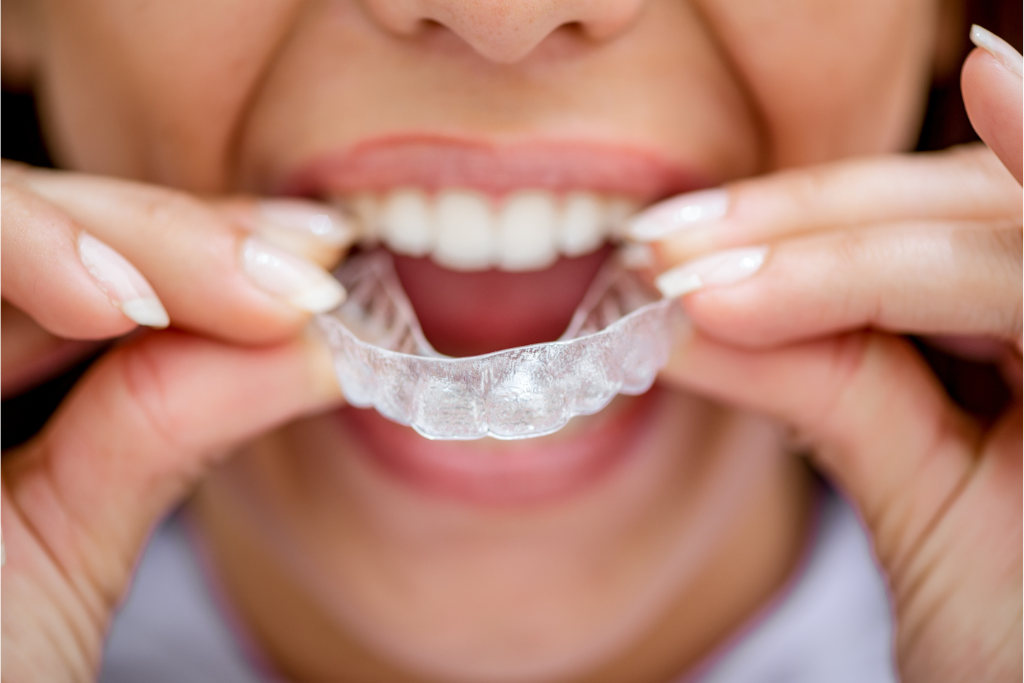
When it comes to straightening your teeth discreetly, clear aligners have revolutionized modern orthodontics. Among the most popular options, Invisalign remains the industry leader, but other clear aligner brands have also gained popularity for their affordability and convenience. Choosing the right one can feel overwhelming but understanding the key differences can help you make the best decision for your goals, budget, and lifestyle. If you’re considering treatment, consulting a professional is the best first step to determine which aligner system fits your needs.
Understanding How Clear Aligners Work
Clear aligners use a series of custom-made, removable trays that gradually shift your teeth into the desired position. Each set of aligners is worn for about one to two weeks before switching to the next in the series. The main appeal lies in their transparency and comfort. You can remove them when eating, drinking, or brushing.
While Invisalign is the most well-known brand, other options like SmileDirectClub, Candid, and Byte offer similar concepts, though they vary in customization, monitoring, and dentist involvement. Choosing between them depends on how complex your dental needs are and whether you prefer in-office supervision or at-home convenience. If you’re unsure where to start, an orthodontist in Houston can help you explore the most suitable aligner options for your smile.
Invisalign vs. Other Clear Aligners: What Sets Them Apart
Invisalign aligners are made from a patented SmartTrack material that ensures a snug, comfortable fit and predictable movement. One of Invisalign’s greatest advantages is the personalized treatment planning handled directly by your dentist or orthodontist. Regular checkups ensure your teeth are moving correctly and any adjustments can be made promptly.
On the other hand, other clear aligners such as mail-order aligners typically involve fewer in-person visits. These options may seem more affordable upfront, but they often rely on digital impressions without a full clinical examination, which can lead to less accurate results, especially for complex cases involving bite alignment or rotated teeth.
If you have mild alignment issues or want a convenient, at-home experience, non-Invisalign options might work. However, if you have moderate to severe misalignment, overbite, or spacing issues, Invisalign under the supervision of an orthodontist provides safer and more effective results.
Best Clear Aligners for Teeth Gaps
When it comes to closing gaps between teeth, Invisalign is widely regarded as one of the best clear aligners for teeth gaps because it allows precise control over tooth movement. With advanced 3D imaging and custom treatment plans, Invisalign can close small to moderate gaps efficiently.
That said, other aligner systems like Candid and Byte can also treat minor gaps effectively if monitored correctly. The key factor is ensuring your aligner plan is reviewed by a licensed professional. Unsupervised at-home aligner treatments may not address the underlying bite or spacing issues, potentially leading to relapse or uneven movement.
If you’re unsure which aligner is right for your teeth gaps, schedule a consultation with an orthodontist in Houston. A professional evaluation ensures you get a personalized treatment plan that matches your dental goals.
Treatment Process and Monitoring
Another crucial factor to consider is how your treatment is monitored. Invisalign treatments are carefully guided by your dentist or orthodontist through regular in-office visits. During these checkups, your provider can track your progress, make adjustments, and ensure your teeth are moving exactly as planned. This professional oversight helps reduce risks like uneven shifting or gum irritation.
In contrast, many mail-order or remote aligner systems rely on self-monitoring, where patients submit digital photos instead of visiting a clinic. While convenient, this approach may not catch potential issues early on, such as bite discrepancies or tooth rotation problems. Direct professional supervision ensures better accuracy, safety, and long-term success.
If you want consistent, predictable results with minimal complications, choosing a treatment plan that includes regular dental monitoring like Invisalign is a smarter and safer choice.
Making the Right Choice for Your Smile
The best aligner for you depends on your dental condition, lifestyle, and budget. Invisalign offers precision and professional oversight, making it ideal for most patients who want predictable, lasting results. Other aligners can be a good choice for those with minimal misalignment and a desire for a more affordable, remote option.
Ultimately, professional guidance is key. A trusted orthodontist in Houston can examine your bite, discuss your goals, and recommend whether Invisalign or another aligner system is right for you.
At Briq Dental & Orthodontics, our team provides personalized orthodontic care using advanced technology and proven aligner systems. Whether you’re interested in Invisalign or exploring other clear aligner options, we’re here to guide you toward your ideal smile. Schedule an appointment today with Briq Dental & Orthodontics to discover which aligner option best suits your needs and start your journey toward a confident, healthy smile.