
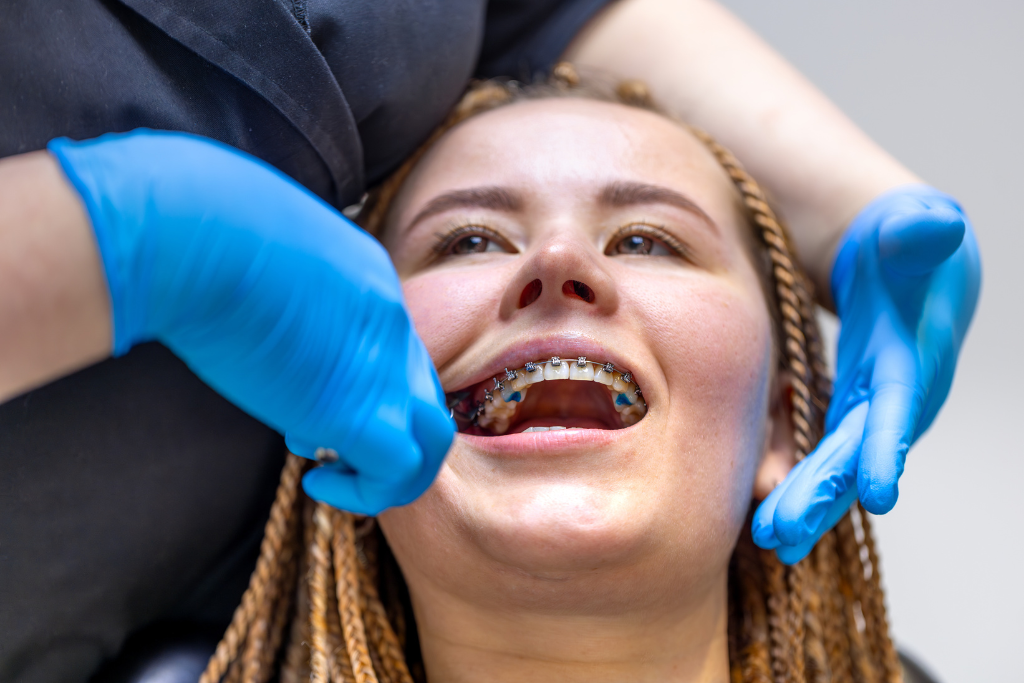
Orthodontic treatment has become increasingly popular among adults who want to improve their smile, correct bite issues, or enhance long-term oral health. One of the most common questions people ask before starting treatment is: How often do adults need adjustments with braces? Understanding adjustment frequency can help you prepare for appointments, maintain better oral hygiene, and stay on track with your orthodontic journey.
What Are Adjustment Appointments and Why Are They Important?
When you receive braces, your orthodontist uses gentle, controlled pressure to move your teeth into the proper position. Adjustment appointments are essential because they allow your orthodontist to make small modifications that keep your teeth moving safely and effectively.
These visits may include tightening wires, changing rubber bands, replacing brackets, or checking your progress. For patients who choose adult braces in East Downtown, these routine adjustments ensure that your treatment stays aligned with your goals. During the process, your orthodontist in Houston will monitor tooth movement, gum response, and overall progress to keep your smile improving at the right pace.
How Often Are Adults Typically Scheduled for Adjustments?
Most adults with braces need adjustment appointments every 4 to 8 weeks. The exact schedule may vary depending on your treatment plan, bite issues, and how quickly your teeth respond to movement. Some adults with complex orthodontic needs may visit a bit more frequently, while others with simpler cases may require fewer adjustments.
Your orthodontist will customize your schedule based on your individual dental needs. Unlike teenagers, adults often have denser bone structure, which means tooth movement can take slightly longer. This makes consistent follow-up appointments especially important for efficient results.
Factors That Can Influence Your Adjustment Schedule
Several factors can determine how often adults need to return for brace adjustments:
Type of Braces You Choose
Metal braces, ceramic braces, and self-ligating braces may have different adjustment timelines. For example, self-ligating braces typically require fewer visits since they use specialized clips instead of elastic ties.
Complexity of Tooth Movement
Crowding, spacing, bite misalignment, and rotation corrections may require more frequent monitoring.
Your Oral Hygiene Routine
Maintaining clean braces and healthy gums helps teeth move properly. Poor oral hygiene can slow treatment and require additional visits.
Compliance With Instructions
If your treatment involves elastics, appliances, or dietary recommendations, following instructions closely can keep appointments on schedule.
What Happens During Adult Braces Adjustment Visits?
An adjustment appointment is usually quick, lasting 20 to 30 minutes. During each visit, your orthodontist will:
- Evaluate tooth movement and progress
- Tighten wires or replace them if needed
- Check brackets for damage
- Provide new rubber bands or elastics
- Address discomfort or any concerns you have
Many adults feel slight pressure for a few days after adjustments, which is normal. Over-the-counter pain relievers and soft foods can help ease temporary soreness.
Why Consistency Matters for Adult Braces Treatment
Sticking to your appointment schedule is one of the biggest keys to achieving great results. Missed or delayed adjustments can extend treatment time and slow down tooth movement. Regular visits also help prevent potential issues such as broken brackets, shifted teeth, or gum irritation.
Final Thoughts: Stay Consistent for the Best Results
If you’re considering or already undergoing orthodontic treatment, understanding how often adults need adjustments can make your journey smoother and more predictable. For those seeking adult braces in East Downtown, consistent follow-ups ensure your treatment stays on track and delivers the smile you’ve always wanted. Working with an experienced orthodontist in Houston can make your experience comfortable, effective, and stress-free.
At Briq Dental & Orthodontics, our team is dedicated to helping adults achieve beautifully aligned smiles with customized, patient-focused care. If you’re ready to begin your orthodontic journey or need guidance about your next steps, request an appointment today and let us help you move closer to the confident smile you deserve.