
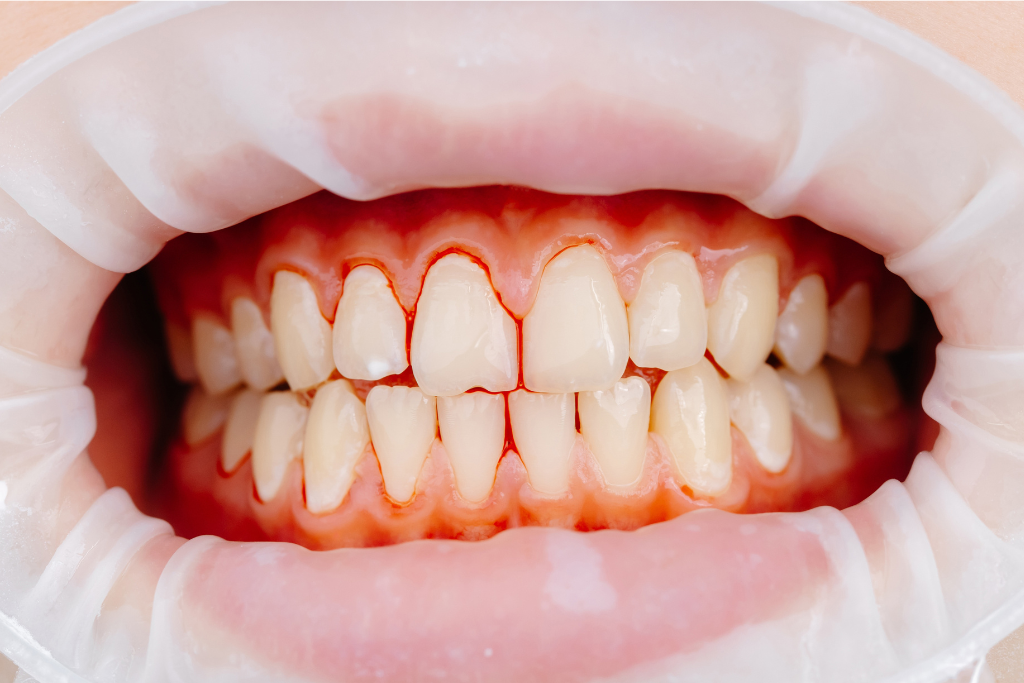
A sudden hit to the mouth can turn a normal day into a stressful situation. Whether it happens during a pickup game, a fall on a sidewalk, or even a minor accident at home, seeing blood after a tooth injury can be alarming. The first question most people ask is simple: Is this something serious, or will it stop on its own?
The truth is, bleeding after a dental injury can range from mild and manageable to a sign of a more serious problem. Knowing how to respond in those first few minutes can make a big difference in saving your tooth and preventing complications. Many patients who seek emergency dentistry in East Downtown often wish they had acted sooner.
Why Does Bleeding Happen After a Tooth Injury?
When a tooth is injured, the surrounding tissues, gums, ligaments, and sometimes the tooth pulp can be affected, often requiring prompt attention through emergency dentistry to prevent complications.
Here are the most common reasons for bleeding:
- Gum trauma – Cuts or tears in the gum tissue
- Tooth displacement – The tooth is pushed, loosened, or knocked out
- Cracks or fractures – Damage exposing inner layers of the tooth
- Damage to blood vessels – Especially in more severe injuries
Even if the bleeding looks minor, it can still indicate underlying damage.
When Is It Considered a Dental Emergency?
Not all bleeding is an emergency but some situations require immediate care.
Seek urgent dental care if you notice:
- Bleeding that doesn’t stop after 10–15 minutes
- A loose or knocked-out tooth
- Severe pain or pressure
- Swelling in the gums, lips, or jaw
- A visible crack or broken tooth
- Signs of infection (pus, bad taste, fever)
If you’re experiencing any of these, it’s best not to wait. Clinics offering emergency dentistry in East Downtown are equipped to handle these situations quickly and effectively.
What To Do Immediately After the Injury
Taking the right steps right away can prevent further damage and reduce bleeding.
Follow these simple first-aid steps:
- Apply gentle pressure
Use clean gauze or cloth and press on the area for 10 minutes - Rinse with salt water
Helps clean the area and reduce bacteria - Use a cold compress
Apply on the outside of your cheek to reduce swelling - Avoid touching the area
This prevents further irritation or infection - Save any broken tooth pieces
Store them in milk or saliva if possible
These steps can stabilize the situation until you get professional care.
Can Bleeding Stop on Its Own?
Yes—sometimes. Minor gum injuries may stop bleeding within a few minutes and heal without complications.
However, you should never assume everything is fine just because the bleeding stops.
Hidden issues may include:
- Internal tooth damage
- Nerve exposure
- Infection risk
- Structural weakness
That’s why dental evaluation is always a smart move after trauma.
Why Quick Care Matters Locally
In a busy area like East Downtown, life moves fast—whether you’re commuting, working, or enjoying local spots. Accidents can happen anywhere, from sports activities to everyday slips.
Access to emergency dentistry in East Downtown means you don’t have to travel far when time is critical. Quick treatment can:
- Save a knocked-out tooth
- Prevent infection
- Reduce long-term treatment costs
- Restore comfort faster
Common Mistakes to Avoid
After a dental injury, people often make small mistakes that can lead to bigger problems.
Avoid these:
- Ignoring bleeding if it “seems minor”
- Using aspirin directly on gums (can worsen bleeding)
- Waiting overnight with severe symptoms
- Eating hard or hot foods immediately after injury
- Skipping a dental checkup
How Dentists Treat Bleeding Tooth Injuries
Treatment depends on the severity of the injury.
Your dentist may:
- Clean and disinfect the area
- Use stitches for gum injuries
- Stabilize or reposition loose teeth
- Perform a root canal if the pulp is damaged
- Recommend crowns or bonding for fractures
Modern dental care focuses on saving natural teeth whenever possible.
How to Prevent Future Dental Injuries
While accidents can’t always be avoided, you can reduce your risk.
✔️ Prevention tips:
- Wear a mouthguard during sports
- Avoid chewing hard objects like ice
- Maintain regular dental checkups
- Fix weak or damaged teeth early
- Be cautious on slippery surfaces
Don’t Wait Protect Your Smile
Bleeding after a tooth injury is your body’s way of signaling that something isn’t right. While some cases are minor, others require immediate attention to prevent long-term damage.
If you or a loved one experiences dental trauma, acting quickly can make all the difference. With trusted emergency dentistry in East Downtown, you can get the care you need without delay.
At Briq Dental & Orthodontics, we provide compassionate, timely care for dental emergencies helping you get back to comfort and confidence as soon as possible.
Book your appointment today and let our team take care of your smile when it matters most.