
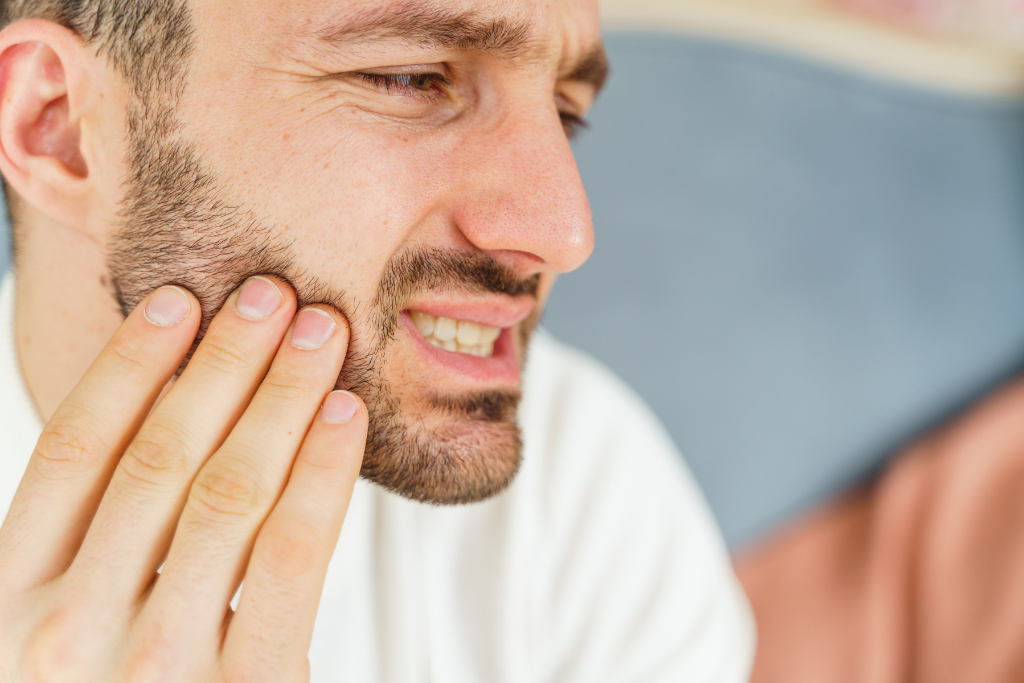
You take a sip of coffee on your way through Downtown Houston, bite into breakfast, and suddenly feel a sharp pain in your tooth. It might happen once and disappear, or it may keep coming back every time you chew. Either way, pain when biting down is your mouth’s way of telling you something isn’t right.
Many people ignore this kind of discomfort at first, hoping it will go away on its own. But tooth pain during chewing can point to several dental problems that often become more serious without treatment. Seeing a trusted Downtown Houston dentist early can help prevent more extensive procedures later.
At Briq Dental & Orthodontics, our experienced dentist team often hears patients ask why a tooth hurts only when pressure is applied. The answer usually depends on what’s happening beneath the surface of the tooth, gums, or surrounding structure
What Causes Tooth Pain When Biting Down?
Pain while chewing is commonly linked to inflammation, infection, or damage affecting the tooth’s inner layers. Sometimes the pain feels sharp and sudden. Other times, it’s dull and constant.
One of the most common causes is a cracked tooth. Tiny fractures are not always visible in the mirror, but they can create intense discomfort when pressure is applied. Houston residents who frequently chew ice, grind their teeth during stressful commutes, or play contact sports often experience this issue without realizing it.
A cavity can also trigger pain when biting. As decay moves deeper into the tooth, the inner nerves become irritated. You may notice sensitivity to sweets, cold drinks, or pressure while eating tacos, barbecue, or other favorite Houston foods.
In some cases, the problem comes from gum inflammation. If bacteria reach the area around the tooth root, the surrounding tissues become tender and swollen. This pressure can make everyday chewing painful.
Another overlooked reason is teeth grinding, also called bruxism. Stress-related grinding is incredibly common among working adults in fast-paced urban areas. Constant pressure weakens teeth over time and can lead to soreness when biting down.
Signs the Problem Could Be More Serious
Not every toothache is an emergency, but certain symptoms should never be ignored. Pain that worsens over several days may indicate an infection inside the tooth. Swelling around the gums or jaw can also signal deeper problems requiring immediate care.
Watch for symptoms such as:
- Sharp pain when chewing or releasing pressure
- Swelling in the gums, face, or jaw
- Sensitivity to hot or cold foods and drinks
- A throbbing toothache that spreads toward the ear or head
- Difficulty eating or biting comfortably
- A loose or cracked tooth
- Fever or bad taste in the mouth
These symptoms often mean the nerve inside the tooth has become inflamed or infected. If you experience persistent pain alongside swelling or fever, it’s important to contact a dental office as soon as possible. Delaying treatment may allow infection to spread and increase the risk of tooth loss.
Could It Be a Cracked Tooth?
A cracked tooth is one of the leading reasons patients visit a Downtown Houston dentist for sudden biting pain. Cracks may happen from biting hard foods, nighttime grinding, sports injuries, or old fillings weakening over time.
What makes cracked teeth frustrating is that symptoms can come and go. Some days the tooth feels normal. Other days, biting into something soft causes a sharp jolt of pain.
Early diagnosis matters because small cracks can often be treated before they worsen. Depending on the severity, treatment may involve bonding, a dental crown, or root canal therapy.
Sinus Pressure and Tooth Pain
Houston’s seasonal allergies and humidity can also contribute to dental discomfort. Many upper teeth share nerve pathways close to the sinus cavities. When sinus pressure increases, it can create pain that feels similar to a toothache.
If multiple upper teeth hurt while biting down and you also have congestion or facial pressure, sinus inflammation may be contributing to the discomfort. However, only a professional dental exam can confirm whether the issue is dental-related or sinus-related.
Why Early Treatment Matters
Tooth pain rarely improves without addressing the underlying cause. Minor discomfort can quickly become severe if bacteria continue reaching deeper areas of the tooth.
A small cavity may eventually require a root canal. A minor crack can spread and compromise the entire tooth structure. Gum inflammation can progress into periodontal disease.
The earlier treatment begins, the more conservative and affordable it often is. That’s why many patients choose to schedule an evaluation as soon as pain appears rather than waiting until the discomfort becomes unbearable.
How Dentists Diagnose Pain When Biting
When you visit a dental office for this issue, the exam usually includes digital X-rays, bite analysis, and checking the tooth for cracks or infection. Dentists also evaluate surrounding gums and jaw alignment to identify hidden causes.
Sometimes the source of pain is surprisingly small and easy to treat. Other times, the discomfort stems from multiple factors happening together.
Modern dental technology allows providers to identify these issues earlier and more accurately than ever before.
Treatment Options for Tooth Pain While Chewing
Treatment depends entirely on the underlying cause. Cavities may require fillings or crowns. Infections may need root canal therapy. Gum inflammation often improves with deep cleaning and better oral hygiene.
For cracked teeth, dentists may recommend restorative treatment to stabilize and protect the tooth from additional damage.
If grinding is contributing to the problem, a custom nightguard can help reduce pressure and prevent further wear.
The good news is that most causes of biting pain are highly treatable when caught early.
When Should You See a Dentist?
If pain while chewing lasts longer than a day or two, scheduling an appointment is the safest decision. Persistent discomfort usually means something inside the tooth or gums needs attention.
Ignoring the pain may lead to worsening symptoms, higher treatment costs, and unnecessary complications.
Whether the issue is mild sensitivity or severe pressure pain, visiting a qualified Downtown Houston dentist can help identify the cause before it escalates.
Will Tooth Pain Go Away On Its Own?
Some mild irritation may temporarily improve, but persistent pain usually indicates an underlying issue that requires professional treatment.
If you’ve been experiencing discomfort while chewing, Briq Dental & Orthodontics is here to help. Our experienced team provides advanced, patient-focused care in a comfortable setting designed for modern Houston families and professionals. As a trusted Downtown Houston dentist, we focus on personalized treatment plans that address the root cause of dental pain while helping patients feel comfortable every step of the way.
Don’t wait for the pain to worsen. Schedule your appointment today and let Briq Dental & Orthodontics help you get back to eating, speaking, and living comfortably again.