
Healthy gums are essential for maintaining a strong, confident smile. Yet many patients don’t realize gum problems are developing until symptoms become noticeable. Understanding how dentists diagnose gum issues and the steps they take to restore healthy gums—can help you seek treatment early and protect your long-term oral health.
Early Signs of Gum Problems Dentists Look For
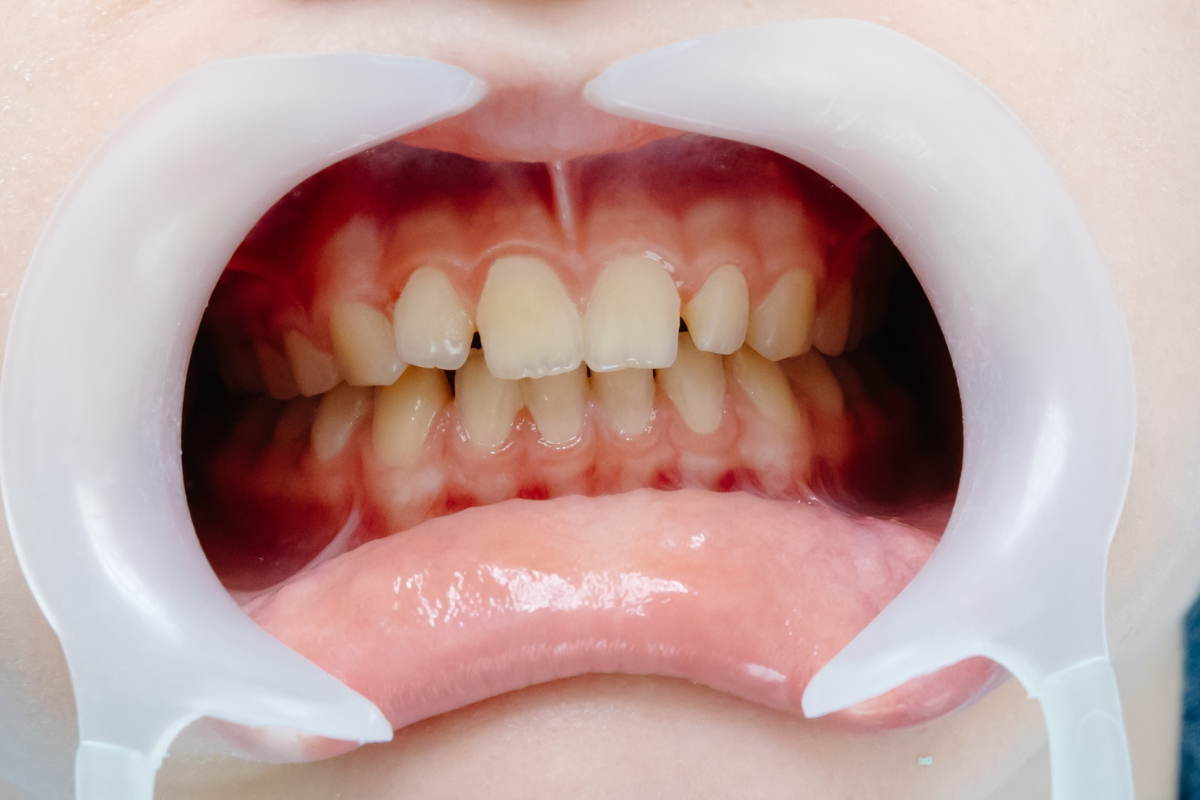
Dentists begin with a visual and physical examination of your gum tissue. They look for swelling, redness, bleeding, tenderness, or receding gums common warning signs of early gum inflammation. If you’re looking for trusted gum evaluation from a dentist in Downtown Houston, knowing what to expect during this step can make your visit more comfortable and informative.
Your dentist may also ask about your brushing routine, flossing habits, diet, and lifestyle factors like smoking or stress. These details help determine how quickly gum problems may progress.
How Dentists Diagnose Gum Disease Accurately
To make an accurate diagnosis, dentists use several reliable and modern techniques, including:
1. Comprehensive Gum Health Examination
Dentists inspect the gums to determine whether they appear firm, pink, and healthy. Puffy, red, or easily bleeding gums often indicate active infection.
2. Assessment of Plaque and Tartar Buildup
Plaque and hardened tartar contribute heavily to gum disease. Dentists evaluate how much buildup is present and where it has formed to understand the severity of infection.
3. Monitoring Gum Recession
Receding gums can reveal early or advanced disease. Dentists check whether the gums have pulled away from the teeth and how much of the tooth root is exposed.
4. Digital X-Rays to Detect Hidden Issues
Digital X-rays help identify bone loss and deep tartar deposits beneath the gumline—problems that cannot be seen during a visual exam alone. This step is crucial in diagnosing advanced periodontal disease.
Patients searching for an East Downtown dentist benefit from these precise diagnostic techniques, which help dentists create treatment plans tailored to each patient’s unique needs.
How Dentists Restore Healthy Gums
After diagnosing gum issues, dentists design a customized treatment plan to remove infection, reduce inflammation, and restore gum health.
1. Professional Dental Cleanings
For mild gum inflammation, a routine cleaning may be enough to reverse early gingivitis and prevent further progression.
2. Deep Cleaning (Scaling and Root Planing)
For moderate gum disease, dentists clean beneath the gumline to remove tartar and smooth the roots, allowing the gums to heal and reattach.
3. Antibacterial Treatments
Dentists may use antimicrobial gels or prescribe medicated rinses to prevent bacterial growth in deeper gum pockets.
4. Laser Therapy
Laser treatment offers a minimally invasive way to remove infected tissue and promote fast healing with reduced discomfort.
5. Surgical Options for Severe Gum Disease
In advanced cases, surgical treatment may be necessary to repair gum tissue, regenerate bone, or reduce deep pockets that trap bacteria.
Protecting Your Gums After Treatment
Daily brushing, flossing, and regular dental visits are essential to maintaining gum health long-term. Lifestyle improvements like reducing sugar intake, staying hydrated, lowering stress, and stopping tobacco use can greatly enhance gum wellness.
If you’re searching for a trusted dentist in Downtown Houston TX, choosing a skilled team can make all the difference in restoring and protecting your gum health. At Briq Dental & Orthodontics, our specialists are committed to accurate gum diagnosis and effective, personalized treatment. Schedule an appointment today to restore your gum health and protect your smile for years to come.