
That nagging toothache. It’s keeping you up at night, making you wince with every sip of coffee. You’ve heard whispers of “root canal,” and now you’re wondering: is it really necessary? Let’s dive into the truth behind this common dental procedure.
The Anatomy of a Tooth and the Need for Intervention
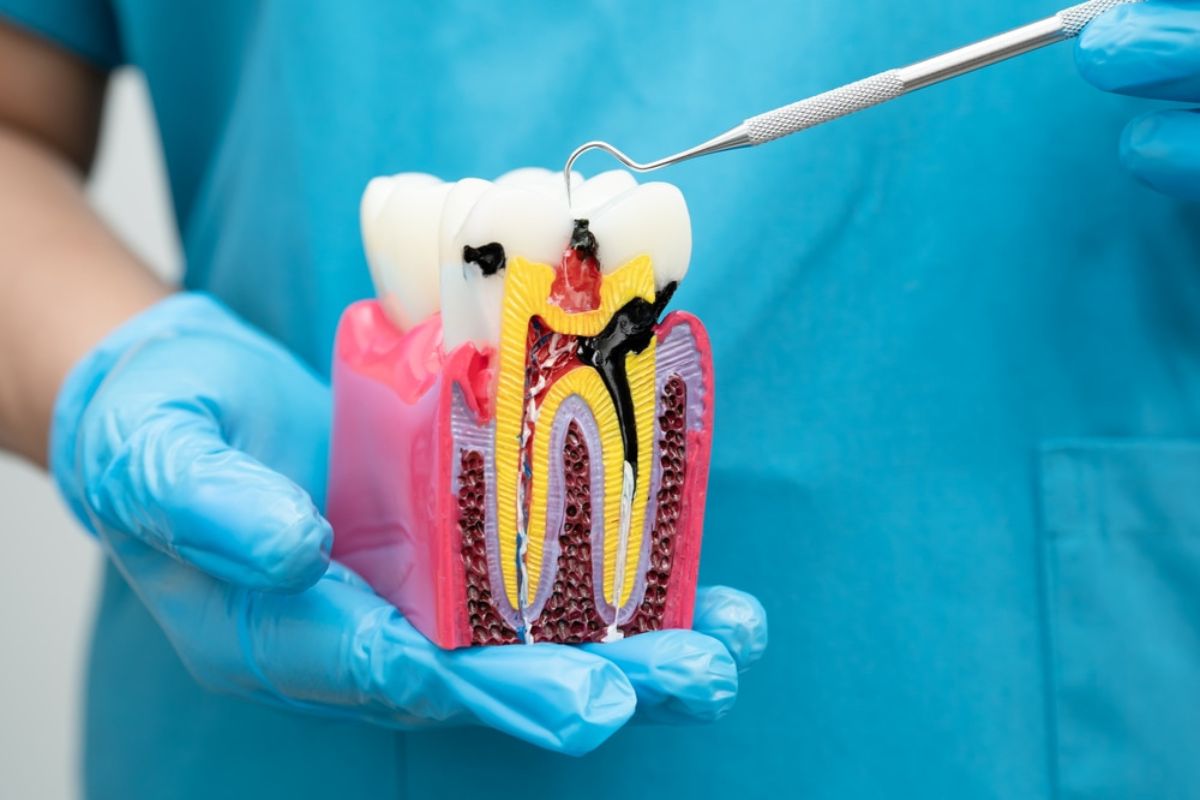
Imagine your tooth as a layered structure. The outer enamel protects the dentin, which in turn shields the pulp. The pulp, nestled deep within, contains nerves and blood vessels. When bacteria invade this inner sanctum, infection sets in. This infection can cause severe pain and, if left untreated, lead to an abscess or even tooth loss. That’s where a root canal treatment comes in.
What Is Root Canal Therapy?
Root canal therapy addresses infected tooth pulp. The procedure involves removing the infected tissue, cleaning and sealing the canal, and often crowning the tooth. This saves the natural tooth, preventing extraction and further dental issues. It’s a common, effective treatment for severe tooth infections.
During a root canal procedure, your dentist will:
- extract bacteria and decay from the tooth pulp, root, and nerve
- disinfect the area with antibiotics
- fill the empty roots
- seal the area to prevent new decay
The root canal treatment leaves your natural tooth in place and prevents further decay. But it makes the tooth more fragile. That’s why a tooth that’s had a root canal is often covered with a crown.
Recognizing the Signs: When a Root Canal Might Be Needed
How do you know if you need a root canal? Look out for these telltale signs:
- Persistent pain: A throbbing, unrelenting ache that won’t subside.
- Sensitivity to hot and cold: Sharp, intense pain when consuming hot or cold foods and drinks.
- Swelling and tenderness: Gums that are swollen, tender, or discolored.
- A pimple on the gums: A small, recurring bump near the affected tooth.
- Darkening of the tooth: Discoloration indicating damage to the pulp.
These symptoms signal potential pulp infection, making a root canal a likely solution.
The Root Canal Procedure: Debunking the Myths
Many people dread root canals, picturing a painful, drawn-out ordeal. Here are a few myths associated with the procedure-
It’s excruciatingly painful
Modern techniques and anesthesia make it relatively painless.
It’s better to just extract the tooth
Saving your natural tooth is often the best long-term option.
Root canals cause illness
This is a debunked myth; they eliminate infection, not cause it.
It’s a long, drawn-out process
Typically, it can be completed in one or two appointments.
Why Saving Your Natural Tooth Matters
Why not just pull the tooth? Extracting a tooth creates gaps that can cause surrounding teeth to shift, leading to bite problems and jawbone deterioration. Root canal therapy in Houston allows you to preserve your natural tooth, maintaining your smile’s integrity and function. It’s often the most cost-effective and long-term solution.
Alternatives and Considerations
While root canal therapy in Houston is a highly effective treatment, there are alternative options. Tooth extraction is one, but it comes with its own set of challenges. In some cases, if the damage is too extensive, extraction may be the only option. Your dentist will assess your specific situation and recommend the best course of action.
Preventing Future Issues: Oral Hygiene is Key
Maintaining good oral hygiene is crucial to prevent future dental problems. Brush and floss daily, and schedule regular dental checkups. Early detection of decay or infection can often prevent the need for extensive procedures like root canals.
The Bottom Line: Making an Informed Decision
A root canal is a necessary and effective procedure when pulp infection threatens your tooth’s health. It’s a way to relieve pain, prevent further complications, and save your natural tooth. If you’re experiencing any of the symptoms mentioned, don’t hesitate to seek professional dental care.
Ready to address your dental concerns? Schedule an appointment today and let us help you maintain a healthy, beautiful smile!
Frequently Asked questions (FAQs)
- Is a root canal painful?
- Modern anesthesia makes the procedure relatively painless. Most patients experience relief from their previous toothache.
- How long does a root canal take?
- Typically, a root canal can be completed in one or two appointments, each lasting about an hour.
- What happens after a root canal?
- You might experience mild soreness for a few days. Your dentist will often recommend a crown to protect the treated tooth.
- How much does a root canal cost?
- The cost varies depending on the tooth’s location and the complexity of the case. Dental insurance often covers a portion of the cost.
- Can a root canal fail?
- While highly successful, root canals can occasionally fail due to new infections or undetected canals. Retreatment or extraction may be necessary.
- Do I need a crown after a root canal?
- Most of the time yes. The tooth after a root canal is more brittle, and the crown protects it from fracture.
- What are the symptoms that I need a root canal?
- Severe pain, sensitivity to hot and cold, swelling, and a dark tooth are all signs that you may need a root canal.