
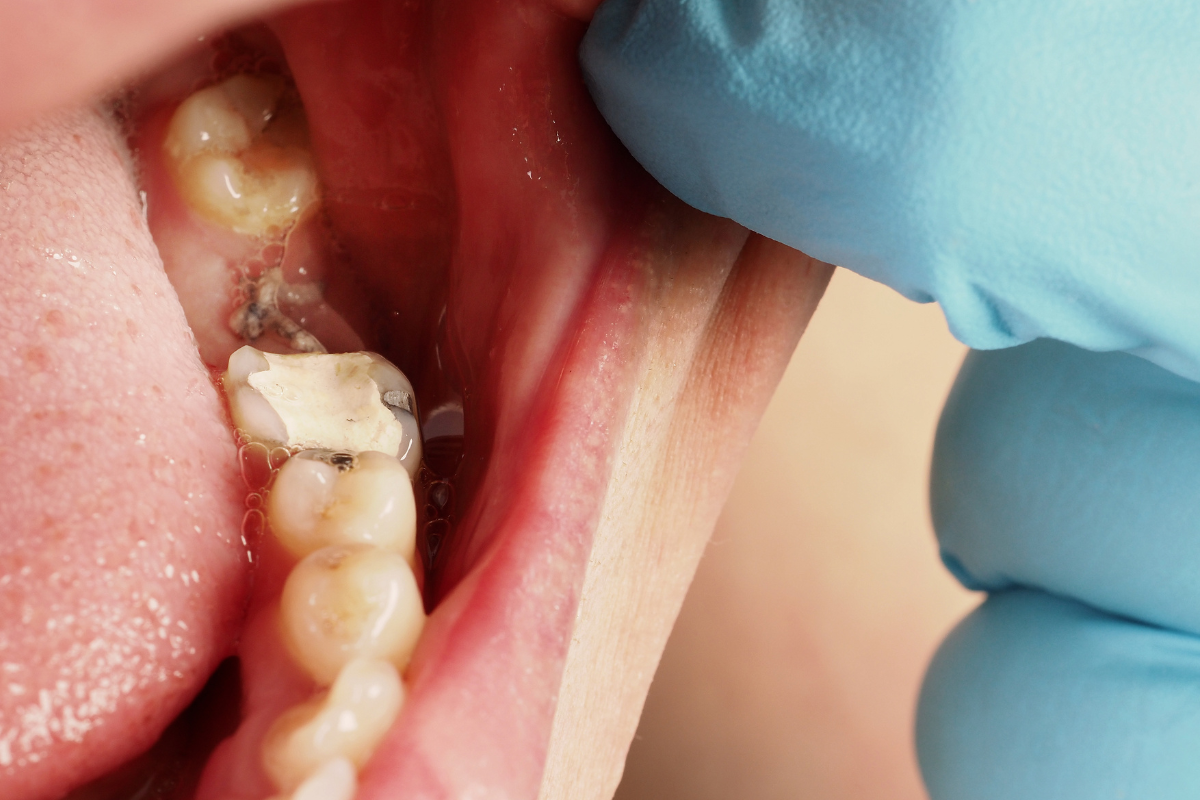
When it comes to restoring damaged teeth, many patients are familiar with fillings and crowns. However, there’s another effective solution that falls right in between dental inlays and onlays. These restorations are custom-made to strengthen teeth, improve function, and enhance appearance while preserving as much natural structure as possible. If you’re considering restorative dentistry, this guide will walk you through what inlays and onlays are, their benefits, and what to expect during the procedure.
What Are Dental Inlays and Onlays?
Inlays and onlays are indirect restorations made in a dental lab and bonded to your tooth. They’re typically crafted from porcelain, composite resin, or gold, offering durability and a natural look.
- Inlays fit inside the grooves of the tooth, similar to a filling, but provide more strength and precision.
- Onlays cover one or more cusps of the tooth, making them ideal when damage is more extensive but doesn’t require a full crown.
Unlike traditional fillings that are molded inside your mouth, dental inlays and onlays are created outside of the mouth and then permanently placed by your dentist. If you’re looking for an experienced downtown Houston dentist, you’ll find many specialists who recommend inlays and onlays as a long-lasting option.
Benefits of Inlays and Onlays
Choosing dental inlays and onlays provides several advantages compared to standard fillings or crowns:
- Durability – They are stronger than fillings and can last up to 10–30 years with proper care.
- Preservation of Tooth Structure – They require less removal of healthy enamel compared to crowns.
- Natural Appearance – Porcelain inlays and onlays blend seamlessly with your natural teeth.
- Strength and Protection – They reinforce the tooth structure, preventing further damage.
- Stain Resistance – Unlike resin fillings, porcelain materials are resistant to discoloration.
For patients searching for a Delta Dental dentist in Houston, inlays and onlays are often covered by insurance, making them a cost-effective option for tooth restoration.
The Procedure: What to Expect
Getting inlays and onlays typically requires two dental visits:
Initial Examination & Preparation
Your dentist will begin by examining the damaged tooth and removing any decay or old filling material. An impression of the tooth is then taken and sent to a dental lab, where your custom inlay or onlay is designed. A temporary filling is placed to protect the tooth until your next visit.
Placement of Inlay or Onlay
On your second visit, the dentist removes the temporary filling and carefully fits the permanent restoration. Once the inlay or onlay is properly adjusted, it’s bonded to the tooth with strong dental cement. Finally, the tooth is polished for a smooth finish and natural appearance.
This minimally invasive procedure is especially recommended by many downtown Houston dentist offices because it provides strength and longevity without the need for a full crown.
Is an Inlay or Onlay Right for You?
If you have a tooth that’s too damaged for a filling but not damaged enough to need a crown, inlays and onlays may be the ideal solution. They restore function, protect against further damage, and enhance your smile. Patients who visit a Delta Dental dentist in Houston often find this treatment recommended as part of a long-term plan for strong and healthy teeth.
Conclusion
Whether you’re dealing with moderate tooth decay or want a more durable alternative to traditional fillings, Dental Inlays and Onlays are a proven restorative solution. They combine strength, aesthetics, and tooth preservation in one treatment. If you’re searching for personalized dental care, Briq Dental & Orthodontics is here to help. Contact Us Today and let our experienced team restore your smile with confidence.