
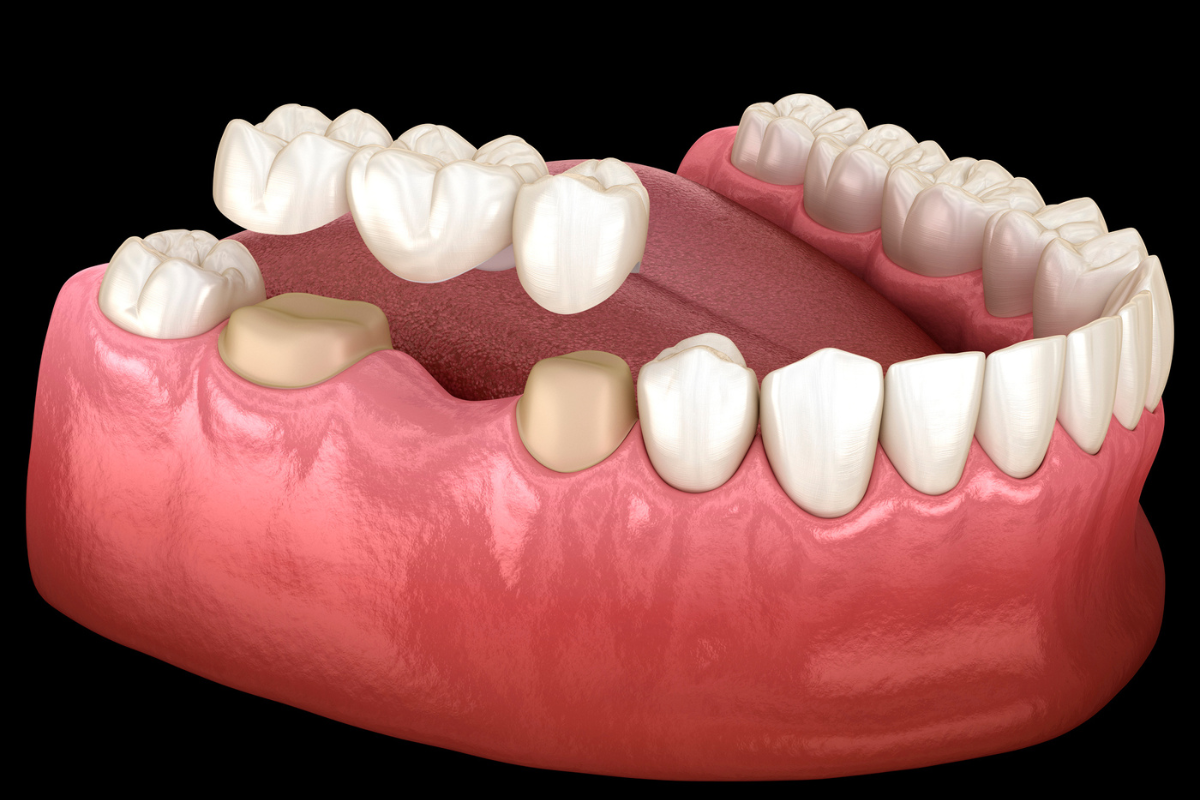
Dental fillings are designed to restore small to moderate areas of tooth decay, but like all dental materials, they don’t last forever. Over time, fillings can weaken, crack, or allow bacteria to leak back into the tooth. When this happens, a crown often becomes the best solution to protect the tooth and restore full function. If you’ve noticed sensitivity, rough edges, or discomfort around a previously treated tooth, your dentist in Downtown Houston, may recommend replacing an old filling with a dental crown to prevent further damage and maintain long-term oral health.
As a trusted downtown Houston dentist, many patients ask why a crown is sometimes necessary instead of simply placing another filling. The answer depends on the condition of the tooth, the age of the filling, and how much healthy tooth structure remains. Understanding these factors helps you make informed decisions about your restorative dental care.
Why Old Fillings Fail Over Time
Dental fillings are durable, but they’re constantly exposed to temperature changes, chewing pressure, and natural wear. Over the years, these stressors can cause the filling to pull away from the tooth or develop tiny cracks. Even small openings can allow bacteria to enter, leading to recurrent decay beneath the filling. When the decay becomes too extensive or the tooth structure is too weak, another filling may no longer be enough.
Your dentist in Downtown Houston will evaluate the tooth using X-rays and a thorough examination to determine the extent of damage. If too much of the tooth has been compromised, a dental crown becomes the safer and longer-lasting solution.
When a Crown Becomes Necessary
Here are common situations where dentists recommend replacing old fillings with crowns:
1. Cracks or Fractures in the Tooth
Large or aging fillings can weaken the overall structure of the tooth, making it more vulnerable to fractures. A crown covers the entire tooth, preventing cracks from spreading.
2. Recurrent Decay Around the Filling
When bacteria leak underneath a filling, decay spreads quickly. If the cavity becomes too large, a filling alone can’t restore strength. A crown protects the tooth and stops further damage.
3. Worn or Broken Fillings
Fillings can chip, wear down, or break under chewing pressure. A compromised filling leaves the tooth exposed. A crown provides full coverage and superior durability.
4. Limited Remaining Tooth Structure
Each time a filling is replaced, more natural tooth material must be removed. If too much is lost, the tooth becomes weak. A crown supports and restores teeth that no longer have enough structure for traditional fillings.
5. Previous Root Canal Treatments
Root-canal-treated teeth become more brittle over time. If these teeth also contain old fillings, crowns are often recommended to prevent fractures.
Benefits of Choosing a Dental Crown
Crowns not only restore strength but also improve the appearance and longevity of your tooth. They are highly durable, resist staining, and can last many years with proper care. A crown can help you chew comfortably, protect the tooth from further decay, and avoid more invasive procedures later. Working with a skilled dentist in Downtown Houston ensures you receive a crown that fits precisely and blends naturally with your smile.
Protect Your Smile With Timely Dental Care
Old or failing fillings should never be ignored. Replacing them with crowns when necessary helps preserve your natural teeth, maintain proper bite function, and prevent future dental complications. If you’ve noticed discomfort, sensitivity, or worn fillings, your downtown Houston dentist can evaluate the issue and recommend the right treatment.
For expert restorative care, trust Briq Dental & Orthodontics. Schedule an appointment today to protect your smile and keep your teeth healthy for years to come.