
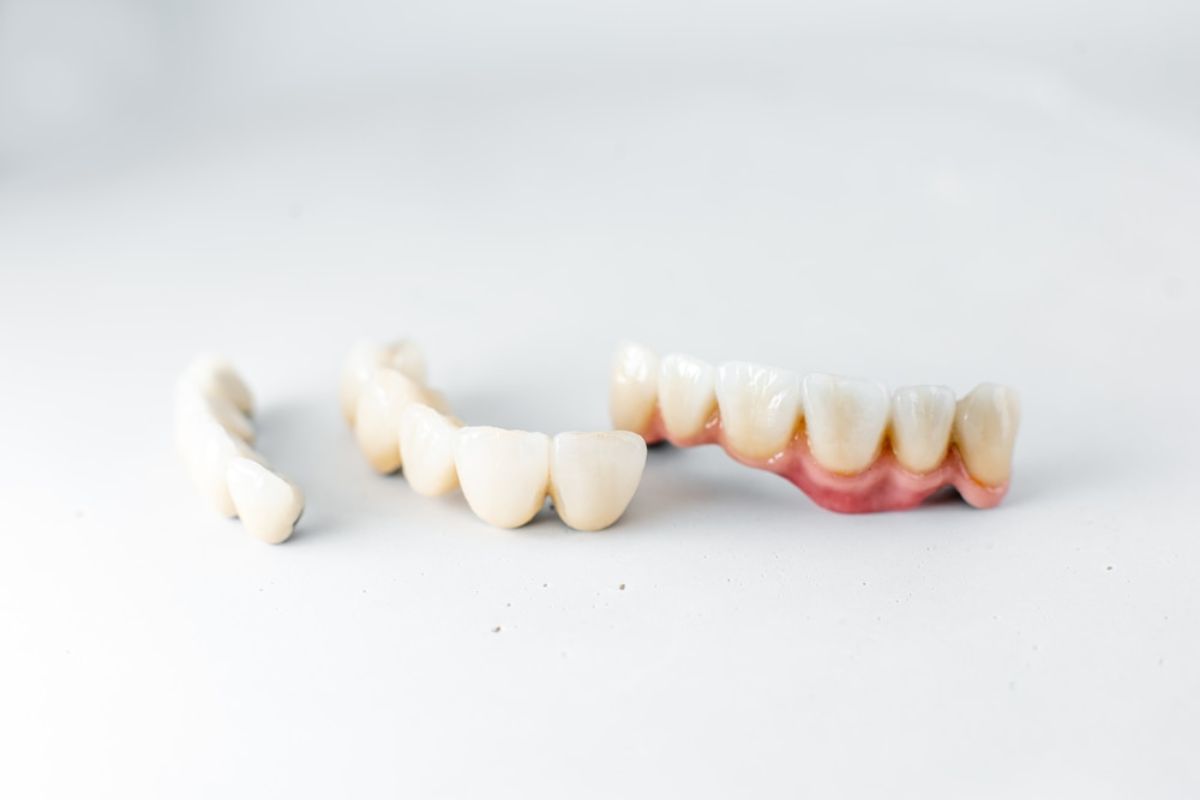
Getting a dental crown is a common and effective way to fix a damaged tooth, restoring both its function and appearance. Yet, for some, the relief of a new crown is unexpectedly met with discomfort or even pain. If your crowned tooth is aching, you’re not alone, and there are clear reasons why this might be happening. A dental crown acts as a cap for a damaged tooth, restoring its strength and appearance. While generally successful, it’s not uncommon to experience discomfort or pain after a crown is placed. Understanding these causes is the first step toward finding relief and ensuring your smile stays healthy.
Reasons For Toothaches After Dental Crown Procedure
Dental crown toothaches can happen due to many factors, including:
Post-Procedure Sensitivity
It’s normal to feel some sensitivity right after a dental crown is cemented. Your tooth and surrounding gums need time to adjust to the new restoration. This initial soreness should be temporary and can often be managed with over-the-counter pain relievers. If the sensitivity persists or worsens, it’s crucial to contact your dentist.
Decay Beneath the Crown
One common reason for pain is the development of new decay under the crown. Even with a crown in place, bacteria can find tiny pathways to the underlying tooth structure. If this decay progresses, it can reach the sensitive inner pulp of the tooth, causing significant pain. Regular dental check-ups are essential to detect and address such issues early.
Infected Tooth Nerve (Pulpitis)
The nerve inside your tooth, known as the pulp, can become inflamed or infected. This condition, called pulpitis, can occur even with a crown. Deep decay, a crack in the tooth, or trauma can lead to this infection. Symptoms often include throbbing pain, increased sensitivity to hot and cold temperatures, and sometimes swelling. A root canal may be necessary to resolve pulpitis.
High Bite or Misaligned Crown
A dental crown must fit perfectly within your bite. If your new crown is “high” – meaning it makes contact with opposing teeth too forcefully – it can place excessive pressure on the crowned tooth and even your jaw muscles. This misalignment can cause pain and discomfort. Fortunately, your dentist can usually adjust the crown’s height with a simple procedure, relieving the pressure.
Gum Disease Around the Crown
Maintaining healthy gums is vital. Gum disease, specifically gingivitis or periodontitis, can develop around a crowned tooth if plaque and tartar accumulate. Inflamed and bleeding gums can cause discomfort and tenderness. Practicing excellent oral hygiene, including regular brushing and flossing, is key to preventing and managing gum disease around your dental crown in East Downtown.
Cracked or Damaged Crown
While durable, dental crowns can sometimes crack, chip, or become loose due to trauma or biting on hard objects. A compromised crown can expose the underlying tooth, leading to pain, especially when chewing. If you suspect your crown is damaged, it’s important to see your dentist promptly to prevent further issues and potential replacement.
Bruxism (Teeth Grinding)
If you habitually grind or clench your teeth, a condition known as bruxism, it can exert significant force on your teeth and dental crowns. This constant pressure can lead to tooth pain, jaw soreness, and even damage to the crown itself. Your dentist may recommend a custom nightguard to protect your teeth and dental crown in East Downtown from the effects of bruxism.
Referred Pain
Sometimes, the pain you feel in your crowned tooth isn’t originating from the tooth itself. This is known as referred pain. Issues like sinus infections or temporomandibular joint (TMJ) disorders can manifest as tooth pain. Your dentist will conduct a thorough examination to accurately diagnose the source of your discomfort.
When to Seek Professional Help
Do not ignore persistent or worsening pain in a crowned tooth. Any signs of swelling, severe sensitivity to temperature, or difficulty chewing warrant immediate attention from your dentist. Prompt diagnosis and treatment are crucial to prevent minor issues from escalating into more significant problems.
If you’re experiencing pain with your dental crown in East Downtown, don’t delay in seeking expert care. Ready to get relief from your dental crown discomfort? Contact us today to schedule your appointment and restore your comfortable, healthy smile!